Explore how pillow height influences neck and spine alignment, with a focus on wool-filled options from trusted brands. This guide helps you choose the right loft for different sleep positions and emphasizes natural materials for breathable comfort.
The relationship between head, neck, and spine is delicate. When a pillow is too high, the neck flexes unnaturally, and when it’s too low, the neck bends downward, compressing the cervical spine. Over time, these misalignments can contribute to morning stiffness, headaches, and disrupted sleep. A well-chosen loft supports the natural curve of your neck, allowing your spine to maintain a neutral alignment from the base of your skull down through your shoulders.
Wool-filled pillows bring an appealing mix of adaptability and breathability. Wool’s loft is resilient and zoned to compress gently under weight, letting your head sink to the right height while the surrounding fiber remains springy. This makes wool an excellent material for pillows intended to accommodate multiple sleep positions across the night.
In the modern bedding landscape, several brands have embraced wool fills for their temperature regulation, hypoallergenic properties, and long-lasting loft. Notable examples include Naturepedic’s organic wool pillows, Sleep and Beyond’s wool-based options, and Savvy Rest’s customizable wool pillows. Each brand frames loft and firmness a little differently, providing a spectrum of choices for back, side, and stomach sleepers.
For back sleepers, the goal is a pillow height that keeps the head in a neutral position without allowing the chin to tuck toward the chest or the head to tilt backward. A mid-loft range often works best, one that supports the natural cervical curve without pushing the head forward.
Wool-filled pillows with adjustable loft can be particularly effective here. For example, some wool pillows allow you to add or remove wool puffs to fine-tune height precisely. The pairing of breathable wool with a cotton sateen or organic cotton cover promotes steady airflow, helping you stay comfortable through warmer parts of the night.
Side sleepers typically require higher loft to fill the space between the shoulder and the head, keeping the spine in a straight line from hip to neck. The goal is a pillow that resists flattening under the weight of the shoulder while maintaining a breathable, temperature-regulated surface.
Wool’s natural resilience helps sustain the loft over the night. Adjustable wool pillows—where you can increase the fill for added height or reduce it for a slightly lower profile—offer a practical solution for fine-tuning alignment. Some dual-chamber designs also provide distinct zones of support to better cradle the neck and keep the head aligned with the spine.
Stomach sleepers generally benefit from lower loft to prevent the head from tilting too far back, which can strain the neck. A pillow with a soft to light feel and a shallow profile is often ideal. Wool-filled options can still work if they are designed with minimal height, or when the loft can be dialed down by removing some fill.
If you’re exploring wool-based fills, look for designs that emphasize柔軟 loft and good contouring with minimal bulk. Some brands offer travel-size wool pillows or neck-roll shapes that can be adjusted to achieve the right height without compromising support.
A simple, repeatable loft test helps you visualize your current pillow height and compare alternatives. Here’s a practical procedure you can follow using common wool-filled pillow designs:
A practical approach is to compare three wool-filled designs: a neck roll (low to mid-loft), a standard bed pillow (mid-loft), and a travel pillow (low loft but with supportive geometry). If you own adjustable wool pillows (or those with removable wool puffs), experiment by adding or removing puffs in small increments (for example, 1–2 ounces at a time) to approach the ideal height for your primary sleep position.
Brand nuances matter when selecting a wool-filled pillow. Here are practical takeaways from popular options:
When evaluating these brands, consider the cover material (organic cotton vs. sateen), how easily the loft can be adjusted, and whether the wool is offered in milder or firmer fill weights. The right combination supports neutral alignment across sleep styles while leveraging wool’s breathability.
Wool-filled pillows generally benefit from simple care that preserves loft. Most wool pillows favor spot cleaning of the outer cover while avoiding machine washing of the wool core to prevent felting. If the design includes a removable wool core, you can refresh the loft by gently fluffing or redistributing the fill and occasionally air-drying to restore loft.
For households with sensitive sleepers, consider wool fillings that are explicitly described as hypoallergenic and resistant to common irritants like dust mites. Wool fibers naturally resist moisture and can help regulate humidity within the pillow, contributing to a cooler night for heat-prone sleepers.
And in the spirit of a non-commercial, information-focused approach, pairing wool pillows with breathable cotton pillowcases and pillow protectors can extend the life of your fill while keeping the sleeping environment clean and refreshing.
For readers seeking a concise decision framework, consider the following quick-reference questions as you compare a few wool-filled options:
The tested examples from the market—such as Naturepedic and Sleep and Beyond—demonstrate that wool can offer both stable loft and temperature regulation when paired with a well-chosen external cover. Savvy Rest’s customizable approach illustrates how loft can be fine-tuned over time, a useful feature for readers who cycle between back and side sleeping.
For readers who want concrete alternatives that align with the guide, consider the following wool-based pillow offering that fits the article’s theme:
Product spotlight from a trusted wool-labs blend
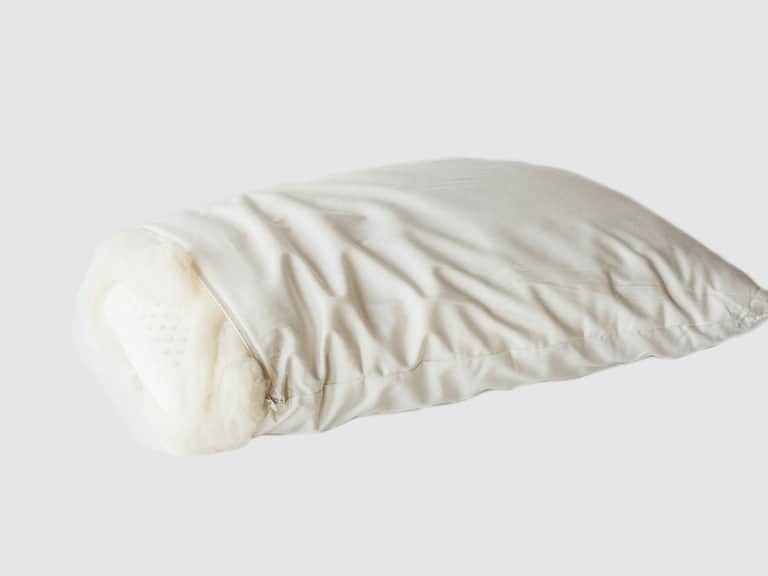
This pillow pairs a 100% natural Dunlop latex core with a breathable layer of Premium Eco Wool, all encased in an organic cotton sateen zippered cover. It offers supportive loft for both side and back sleepers and remains comfortable when reading in bed. The design emphasizes natural materials and a straightforward care routine: spot clean the pillow, and wash the zippered cover in cold water.
Breathable comfort for side sleepers
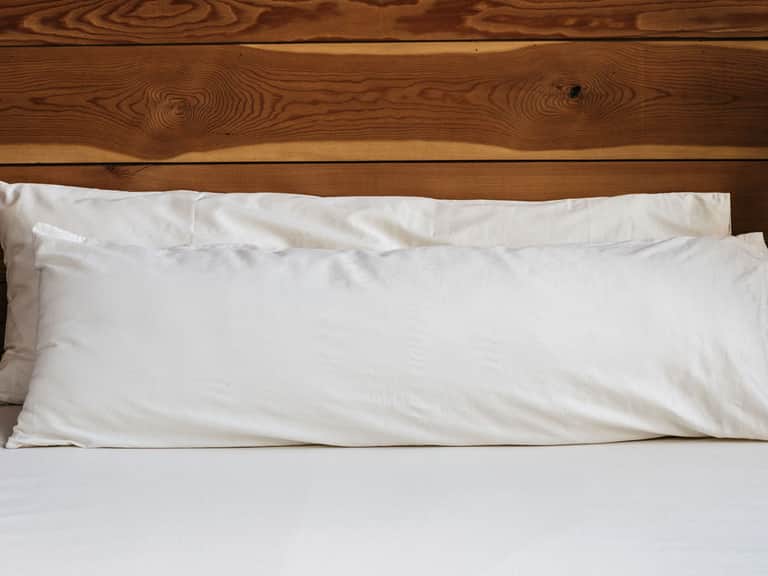
These large wool-filled pillows use a 100% organic cotton sateen shell with Premium Eco Wool fill. They come in two sizes to suit different body support needs, providing generous loft while maintaining a breathable surface. The wool is sourced transparently, ensuring sustainable and ethical practices across the supply chain.
Both options highlight how wool can contribute to a comfortable, temperate sleep environment, whether you’re seeking more head support or a broader, body-spanning pillow for side-sleep comfort.
The journey to the ideal pillow height is personal and dynamic. Wool-filled pillows offer a compelling path forward because of their natural loft, resilience, and temperature-regulating properties. By testing common designs—neck rolls, standard bed pillows, and travel pillows—you can gauge how height affects your neck and spine alignment across sleeping positions. Brand options that allow loft adjustments — such as Obasan, Savvy Rest, and Sleep and Beyond — provide practical routes to a customized sleeping surface that remains comfortable night after night.
With a thoughtful approach to loft, cover materials, and care routines, Wool-based fillings can deliver breathable comfort and enduring support. The ultimate goal is a neutral spinal alignment that rests quietly through the night, so you wake up feeling restored rather than stiff. This article has offered a blend of practical loft testing, brand-informed considerations, and care guidance to help you select a wool-filled pillow that matches your sleep style.