Travel Sleep Comfort
Travel Sleep Support: Balancing Packability, Loft, and Care
A familiar pillow can make an unfamiliar bed feel a little more welcoming. But when luggage space is tight, choosing travel sleep support means weighing more than size: fill, loft, weight, shape, and cleaning instructions all affect whether a pillow earns its place in your bag.
Whether you are heading out for a weekend, settling in for a long flight, or packing for a child’s overnight stay, the best portable bedding is the option that works for your actual trip. A compact pillow might be easy to carry yet too low for your preferred sleeping position. A fuller design may feel reassuring at a destination but take up precious space on the way there. And care matters: a pillow that needs spot cleaning calls for a different plan than one with a removable, washable case.
This guide walks through the details that can make travel sleep comfort more practical. The goal is not to find one perfect pillow for everyone, but to help you compare options and build a setup that suits your routine, your luggage, and the way you rest.
Start with the trip, not the pillow
Before comparing fill or dimensions, picture where the pillow will be used. A small pillow for a child’s overnight bag has different demands from a sleep aid for a long flight. A road trip offers more room than a carry-on-only journey. A stay in a furnished rental may call for a familiar personal pillow; a short train ride may only require something to support your head during a nap.
Think about how you expect to rest. Will you sleep on a bed, recline in a seat, or use the pillow during quiet time? Will it stay in one place, or need to move between home, car, and lodging? These questions help distinguish a genuinely useful travel pillow from one that is simply small.
It also helps to set expectations. A compact pillow may not reproduce the feel of your full-size bed pillow, and a travel option may be intended for occasional use rather than nightly support. If you have persistent neck or shoulder discomfort, or a condition affecting sleep, a portable pillow should not be treated as a substitute for professional guidance. Instead, consider what basic comfort and positioning you need while away.
Dimensions reveal more than packability
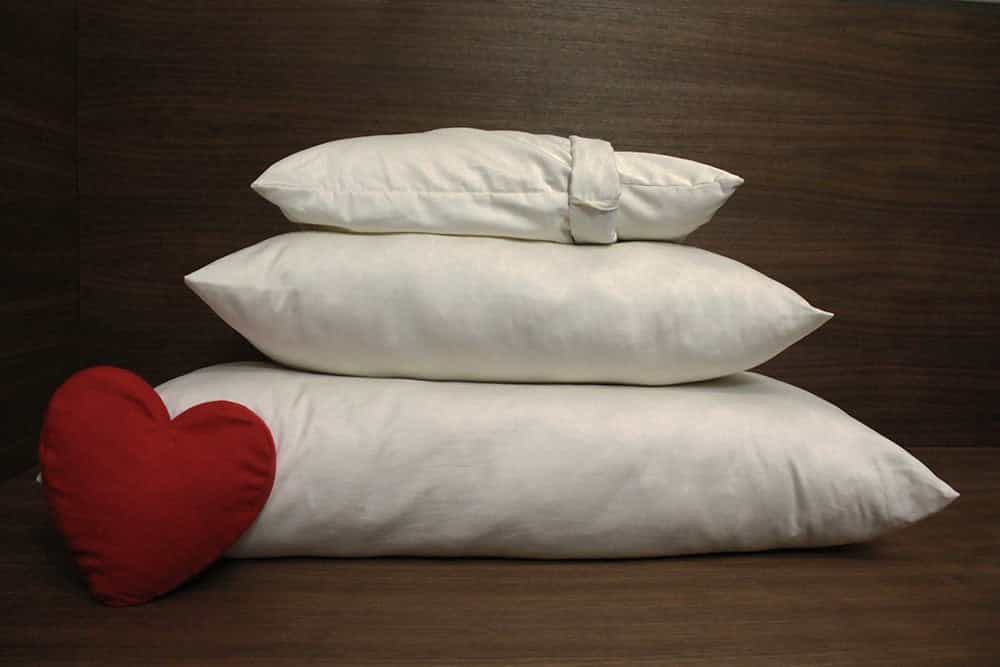
A product’s stated dimensions offer a useful first comparison, but they do not tell the whole story. A pillow measuring 12.5 by 17.5 inches, for example, has a compact footprint compared with a standard bed pillow. That smaller format can slip into a weekender bag or be carried separately, but it also gives you less surface area to move around on during the night.
Consider the space the pillow occupies when packed, not just its measurements when laid flat. Some fills compress more readily than others; some pillows retain their form and do not fold or squeeze down as much. If a manufacturer does not specify compressed dimensions, avoid assuming that the pillow will shrink to fit a particular pocket. Leave enough room in your luggage, and consider whether it can be carried outside the main bag without becoming awkward.
Size should also match the user. Children may find a smaller pillow easier to handle, while adults accustomed to spreading out across a wide pillow may find a compact shape limiting. If you turn frequently, surface area can matter as much as loft. If you mostly rest in one position, a smaller pillow may be perfectly practical.
Dimensions are especially helpful when comparing products with similar names. “Travel pillow” can refer to a small bed-style pillow, a neck-shaped cushion, or a compact support pillow. Those forms do not behave the same way. Read the measurements and construction details so you know whether the design is intended to support the head on a bed, cushion the neck in a seat, or serve as a versatile small pillow.
Fill weight and loft: small numbers, real differences
Fill weight is the amount of filling inside a pillow. It can help you compare two similarly sized options, but it is not a simple score for comfort or support. A pillow with more filling may feel fuller, yet the type of fiber and the way it is arranged also affect how the pillow compresses and responds under your head.
Loft describes the pillow’s height when it is in use. A higher-loft pillow may suit someone who wants more space between the head and mattress, while a lower profile can feel more comfortable for someone who prefers less lift. The mattress, sleeping position, shoulder width, and personal preference all influence what feels right. There is no universal loft that works for every traveler.
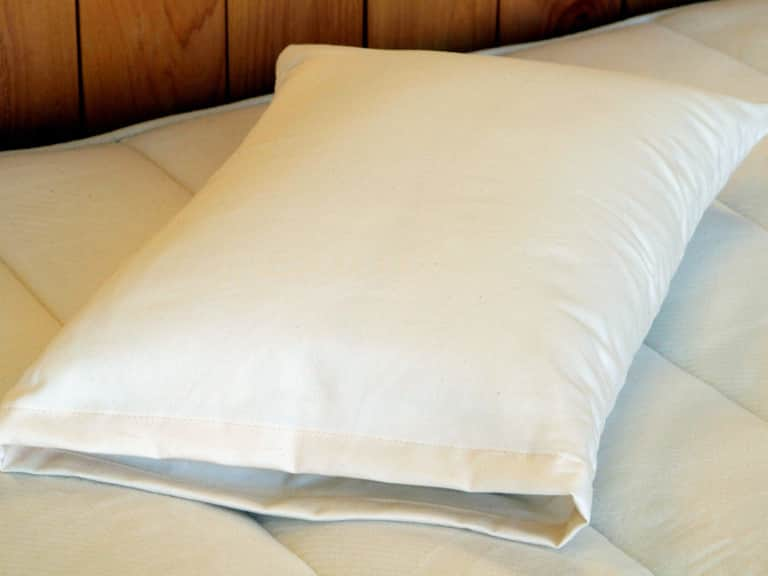
Some compact wool pillows use a lightweight fill. The Snuggle Pillow, for example, is listed at 12.5 by 17.5 inches with an 11-ounce Premium Eco Wool fill. It is described as packable and intended to provide comfort and support for youngsters at home or away. Those details can help a reader assess its size and intended use, but they do not guarantee that it will feel right for every child or every sleeping setup.
Natural fibers can have a different hand and response from foam or down-alternative fillings. Wool is often used in bedding for its breathability and moisture management, but the feel depends on the pillow’s construction and amount of fill. A cluster-style filling, for instance, can behave differently from layers of batting. When product information is available, look for the specific fill description rather than relying only on a broad material label.
If you already know what height and firmness you like, use that as your reference point. A travel pillow that is too soft or too low may leave you continually adjusting it. One that feels too full may push your head into a position you do not enjoy. When possible, try a similar fill or construction at home before traveling, and allow time to make adjustments rather than discovering a mismatch after a long day on the road.
Match the shape to the way you rest
Travel sleep support is not one-size-fits-all because people use pillows in different ways. A small rectangular pillow can be useful on a bed, in a car during a rest stop, or as a familiar comfort item. A neck pillow has a different purpose: it is shaped to support the neck while a person is seated. Neither format automatically works in every setting.
For a bed or overnight stay, consider whether the pillow’s surface gives you room to change positions. Side sleepers may prefer enough height to keep the head comfortably supported in relation to the shoulder, while back sleepers may prefer a less elevated feel. Stomach sleepers often prefer a lower profile, though preferences vary. These are general comfort considerations, not medical rules; personal anatomy and mattress firmness also matter.
For a seat, think about whether the pillow can stay in place when you recline and whether its shape interferes with a headrest or seat belt. A small bed-style pillow may be soft and familiar but could be less secure than a design made to wrap or contour around the neck. Try positioning it at home in a chair before packing, especially if you are planning to use it on a long journey.
For children, familiarity can be part of the comfort equation. A lightweight pillow that is easy to carry may help a child settle in a different room, but adults should still check that its dimensions and use are appropriate for the child’s age and sleep environment. Follow relevant safe-sleep guidance for infants; ordinary pillows and soft bedding are not appropriate for every age or setting.
Portable bedding needs a care plan
Care instructions can be easy to overlook when shopping for a travel pillow. On a trip, however, a pillow may be exposed to luggage, unfamiliar surfaces, food, spilled drinks, or repeated handling. Knowing what can be washed—and what must stay dry—helps you protect the fill and keep the pillow fresh between outings.
Some pillows are spot-clean only. That means you should not assume the whole pillow can go into a washing machine. Treat small marks according to the maker’s instructions, use only recommended cleaning methods, and let the pillow dry completely before storing it. Damp fill packed into luggage can hold odors and may be difficult to refresh.
Other designs come with a separate case that can be washed. This is a practical feature because the case takes much of the everyday contact and can often be cleaned without washing the pillow itself. For the Snuggle Pillow, the separate organic cotton sateen case can be machine washed in cold water and line dried or tumble dried on low, while the pillow itself is listed as spot clean only. Always check the current care label before washing, since instructions can differ by model and may be updated.
A washable case is not a reason to ignore a pillow’s fill-care directions. Remove the case if possible, wash it as directed, and make sure it is completely dry before putting it back on. If the pillow is spot-clean only, keep liquids away from the fill and avoid soaking the inner pillow. The simplest way to prevent a difficult cleanup is to use a clean case from the start.
For trips, consider packing a spare pillowcase in a small washable bag. It takes little room and gives you an easy way to create a clean surface after travel. If the pillow is not enclosed in a washable case, a protective cover may offer another barrier, provided it fits properly and does not change the feel so much that the pillow becomes uncomfortable.
Refresh and store it between journeys
After a trip, give a pillow a little attention before putting it away. Remove and wash any separate case according to its label. If the pillow itself is spot clean only, inspect it for marks and clean only as directed. Let it air in a dry, well-ventilated space before storage. Avoid sealing it away while it is damp or still warm from cleaning.
Check the manufacturer’s advice before using sunlight or heat. Some wool products recommend periodic airing, while direct sunlight or high heat may be unsuitable for certain covers or fills. “Natural” does not mean that every care method is safe. Follow the instructions for the actual pillow you own rather than applying a routine meant for another material.
When storing a travel pillow, keep it clean and dry in a breathable bag or cupboard. Avoid crushing it under heavy luggage for long periods if the manufacturer advises against compression. If the pillow has a washable outer case, storing it with a clean case can make it ready to use next time. A quick check of seams, closures, and loft before departure may also catch small problems before they become inconvenient.
For pillows with an adjustable fill, follow the product’s instructions for handling and reshaping. Not every travel pillow is designed to open, and opening a non-adjustable pillow can damage its construction. If a pillow has a zipper, check whether it is intended for adjusting the fill or simply for removing the cover; those functions are not interchangeable.
A simple comparison checklist
When two portable options seem similar, compare the practical details side by side. A short checklist can make the decision clearer than a vague promise of comfort:
- Dimensions: Will the pillow fit your bag, and is its surface large enough for the way you sleep?
- Fill weight: Is the listed amount appropriate for the pillow’s size, and does the maker describe the fill clearly?
- Loft and feel: Do you prefer a fuller, softer, or lower-profile pillow? Is the fill adjustable?
- Shape: Is the pillow meant for a bed, a seat, or general portable use?
- Care: Is the pillow washable, spot clean only, or supplied with a removable case that can be washed separately?
- Protection: Can you add a pillowcase or cover without changing the feel too much?
- Trip context: Will it be carried in a small bag, used by a child, or kept in one place at your destination?
- Storage: Can you let it dry and air out after use before packing it away?
Read product descriptions for specifics, and treat terms such as “lightweight,” “supportive,” or “packable” as starting points rather than guarantees. Dimensions and fill weight are measurable; the feel is personal. When a detail is missing, contact the maker or retailer before assuming how a pillow packs, cleans, or performs.
Build a travel sleep kit around your needs
A pillow is only one part of a comfortable travel setup. A familiar pillowcase, an eye mask, earplugs, or a light layer of bedding may be more useful than carrying a larger pillow. Choose additions according to the journey rather than packing every possible comfort item. The right combination should feel manageable, not like a second suitcase.
If you are traveling by air, consider how you will carry the pillow through security and whether it will fit under the seat or in your overhead bag. For car journeys, make sure it can be secured safely when not in use. For an overnight stay, keep clean bedding separate from used items. These small habits can make portable bedding easier to manage and reduce the chance of bringing home a damp or soiled pillow.
When traveling with children, allow them to help choose a familiar case or decide where the pillow will go in the bag. Keep the care instructions available, especially if another caregiver will be handling it. A clearly packed clean case can be helpful at a sleepover, camp, or family visit.
Most of all, test the setup before you leave. Rest with the pillow on a couch or guest bed, and notice whether it feels too tall, too flat, or too small. See how it fits in your luggage. Check whether the case is easy to remove. A brief trial at home can reveal what a product description cannot: whether the whole arrangement suits your habits.
The useful balance: comfort you can actually carry
Choosing a travel pillow is a balancing act. Smaller dimensions may save space but reduce the area available for movement. More fill may create a fuller feel but can add bulk. A removable case can simplify everyday care, while a spot-clean-only pillow calls for extra protection and careful handling. None of these trade-offs is inherently wrong; the best choice depends on where the pillow will go and how you plan to use it.
Start with the trip, then compare dimensions, fill weight, loft, shape, and care. Look for a pillow whose intended use matches your own, and avoid assuming that materials alone determine comfort. If you are considering a wool option, review the construction and care details as closely as you would for any other fill. Breathability and natural-fiber appeal may matter to you, but support and packability still need to fit the journey.
A thoughtful travel sleep setup does not have to be elaborate. A compact pillow, a clean removable case, and a realistic plan for storage may be enough to make a new room or a long trip feel more familiar. When portability, comfort, and care work together, the pillow becomes one less thing to worry about—and one small comfort you can bring along.